
Local Insights
Living in Minnesota, Buying in Wisconsin: A Cross-Border Homebuyer's Guide
By Andrew B. Nilssen, NMLS 253300 •June 10, 2026 •4 min read
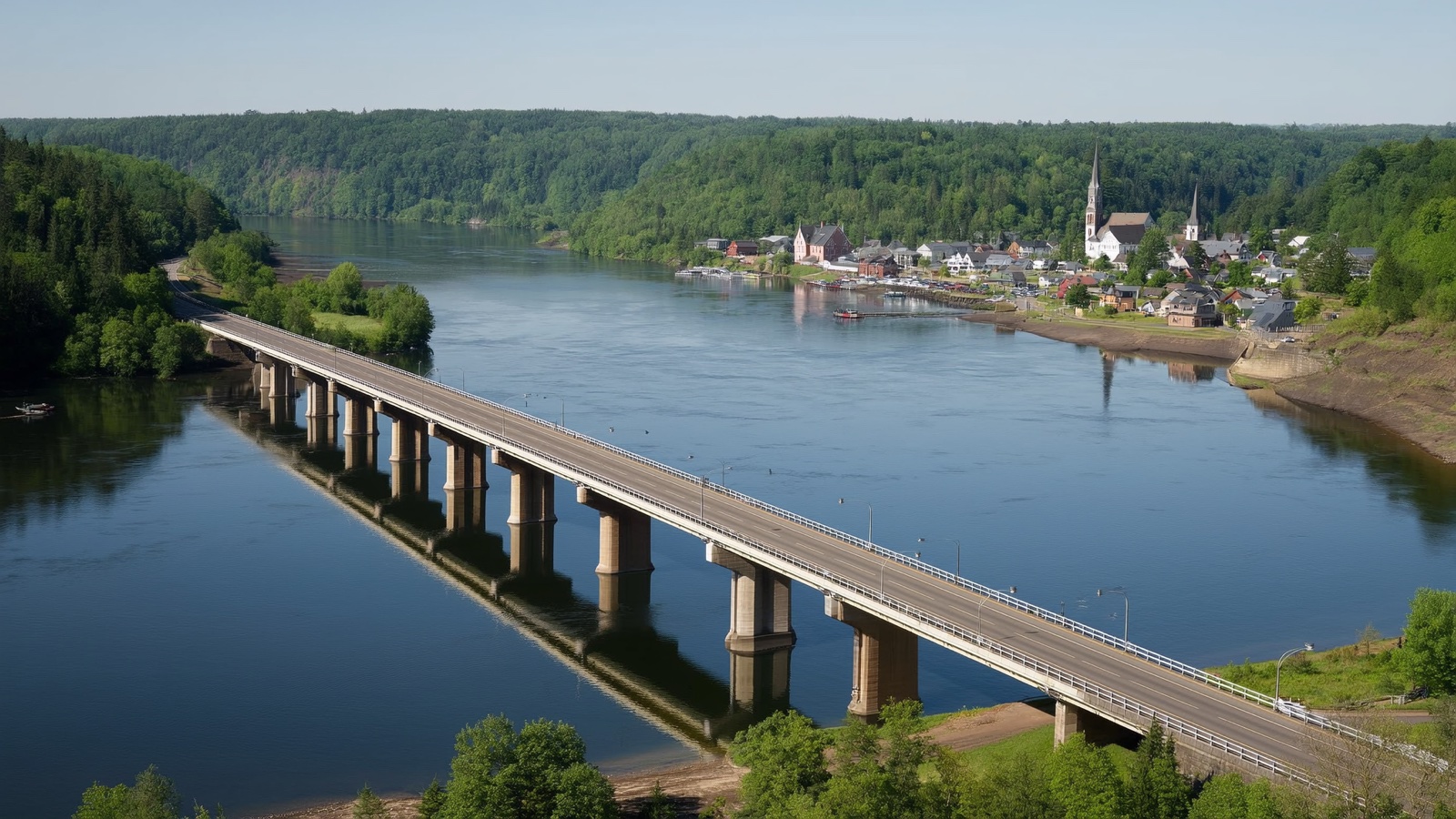
Every week, buyers from Woodbury, Stillwater, Cottage Grove, and St. Paul look east across the St. Croix River and ask the same question: should we make the jump to Wisconsin? More land, small-town schools, river-town main streets, and an easy I-94 commute make Hudson, River Falls, New Richmond, and the surrounding St. Croix Valley some of the most popular landing spots for Twin Cities families.
The good news is that buying across the border is simpler than most people expect. I have spent over 20 years lending on both sides of the river, and the differences that matter fit in one article. Here they are.
The one thing that absolutely matters: licensing
Mortgage licensing is state by state. A loan officer licensed only in Minnesota cannot originate a loan on a Wisconsin property, and vice versa. That means if you start your search in Woodbury and fall in love with a house in Hudson, a single-state lender has to hand you off to someone else, often mid-transaction.
This is the core reason cross-border buyers work with a dual-licensed broker. I am licensed in both Minnesota and Wisconsin (NMLS 253300), so the same pre-approval, the same file, and the same person carry you from a showing in Lake Elmo to a closing in River Falls without missing a step.
What stays the same when you cross the river
More than you would think:
- The loan programs. Conventional, FHA, VA, USDA, and jumbo loans are federal frameworks. They work the same way in both states.
- Your pre-approval. Your income, credit score, and down payment do not change at the state line. One solid pre-approval covers offers in either state.
- The timeline. Application to closing runs on the same schedule, typically 30 to 45 days for a financed purchase.
- Appraisals, inspections, underwriting. Same standards, same process.
What changes on the Wisconsin side
State homebuyer programs do not cross the border
Wisconsin’s housing finance authority, WHEDA, offers first-time buyer loans and down payment assistance, but only on Wisconsin properties. Minnesota Housing’s Start Up program works the same way in reverse. If you are counting on state assistance, the state you buy in decides which toolbox you get. I cover both in detail in my guides to WHEDA loans and Minnesota first-time buyer programs.
Closing costs are calculated differently
Minnesota charges a mortgage registry tax on new mortgages and a deed tax on the sale, while Wisconsin charges a real estate transfer fee that is customarily paid by the seller. The net effect for most buyers is modest, but your cash-to-close estimate will look a little different depending on which side of the river the property sits on. I break down the line items in Minnesota vs Wisconsin closing costs.
Property taxes work on a different rhythm
Wisconsin property taxes are billed at the end of the year and paid in arrears, which changes how your escrow account is set up at closing. Effective rates also vary town by town, so two similar houses in Hudson and Woodbury can carry noticeably different tax bills. Always compare the actual tax line, not just the list price.
Income taxes need a plan
Minnesota and Wisconsin ended their income tax reciprocity agreement back in 2010. If you live in Wisconsin and keep your Minnesota job, you will typically file returns in both states and claim a credit so you are not taxed twice on the same income. It works out fine for thousands of commuters, but talk to a tax professional before the move so there are no April surprises.
The lifestyle math: what your money buys in the valley
Here is the honest picture I give relocating buyers:
- Hudson is the premium pick: historic downtown on the river, marina, restaurants, and the shortest commute. You pay for that charm.
- River Falls brings a college-town energy, strong schools, and the Kinnickinnic River trout stream through downtown.
- New Richmond, Somerset, and Baldwin trade commute minutes for acreage and price per square foot.
- Roberts and Hammond are the quiet middle: small-town living 15 minutes past Hudson. I live in Roberts myself, so I say that with some bias.
Many of these smaller communities may also qualify for zero-down USDA financing, something almost nothing in the Twin Cities metro can offer.
How to run a two-state house hunt without losing your mind
- Get pre-approved with a dual-licensed broker first. One letter, both states, no mid-search lender swap.
- Compare total monthly cost, not list price. Taxes, insurance, and commute costs shift the math more than the sticker.
- Decide your program strategy early. If WHEDA or Minnesota Housing assistance matters to you, it narrows the map before you fall in love with the wrong house.
- Line up cross-border professionals. Your agent, inspector, and title company should know the state they are working in.
If you are weighing a move across the river, book a free discovery call or call or text me at 651-398-4779. We will run your numbers on both sides of the border so you can shop with confidence.
Final Recap
- The mortgage process is nearly identical in Minnesota and Wisconsin, so you can house-hunt on both sides of the river with one pre-approval.
- Your lender must be licensed in the state where the property sits. Andrew is licensed in both MN and WI.
- State programs do not cross the border. WHEDA loans are for Wisconsin properties, Minnesota Housing programs are for Minnesota properties.
- Closing costs differ slightly: Minnesota charges mortgage registry and deed taxes, Wisconsin charges a seller-paid transfer fee.
- If you live in one state and work in the other, plan your income tax filing with a tax professional before you move.
Good to know
Frequently Asked Questions
Can I use a Minnesota lender to buy a house in Wisconsin?
Only if that lender is licensed in Wisconsin. Mortgage licensing is state by state, so a loan officer who only holds a Minnesota license cannot originate your Wisconsin purchase. Andrew Nilssen is licensed in both states (NMLS 253300), which is exactly why cross-border buyers work with him.
Is it cheaper to buy a home in Wisconsin than in the Twin Cities metro?
Dollar for dollar, buyers typically get more house and more land in St. Croix Valley communities like Roberts, Hammond, or Baldwin than in comparable east metro suburbs. Hudson and River Falls command a premium for their river-town character but still compare favorably to Woodbury or Stillwater for many buyers.
Does my pre-approval work in both states?
Yes, as long as your lender is licensed in both states. Your income, credit, and assets do not change when you cross the river, so one pre-approval letter from a dual-licensed broker covers offers in either state.
Do I pay income tax in both states if I live in Wisconsin and work in Minnesota?
You file in both states, but you will not be double-taxed on the same income. Minnesota and Wisconsin ended their tax reciprocity agreement in 2010, so cross-border commuters typically file a return in each state and claim a credit. Talk to a tax professional before you commit to a cross-border move.
How long is the commute from Hudson, WI to the Twin Cities?
Hudson sits right on I-94 at the Minnesota border, roughly 20 to 30 minutes from downtown St. Paul outside of peak traffic. River Falls, Roberts, and New Richmond add 10 to 25 minutes depending on the route.